Meijie Superhard Materials – Precision Tools for Global Manufacturing.


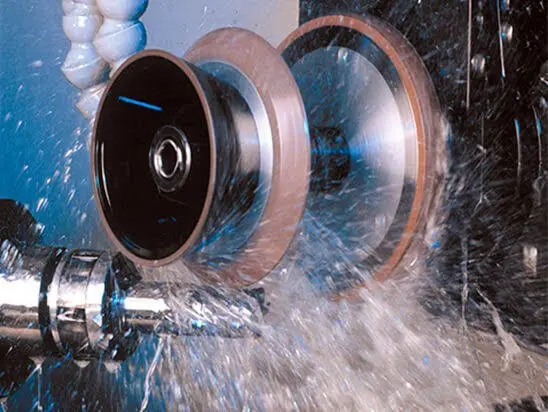
CNC diamond grinding wheels are designed for controlled glass edge grinding, shaping, and precision finishing on CNC equipment. Key considerations include glass thickness, wheel dimensions, grit size, machine compatibility, and processing requirements.
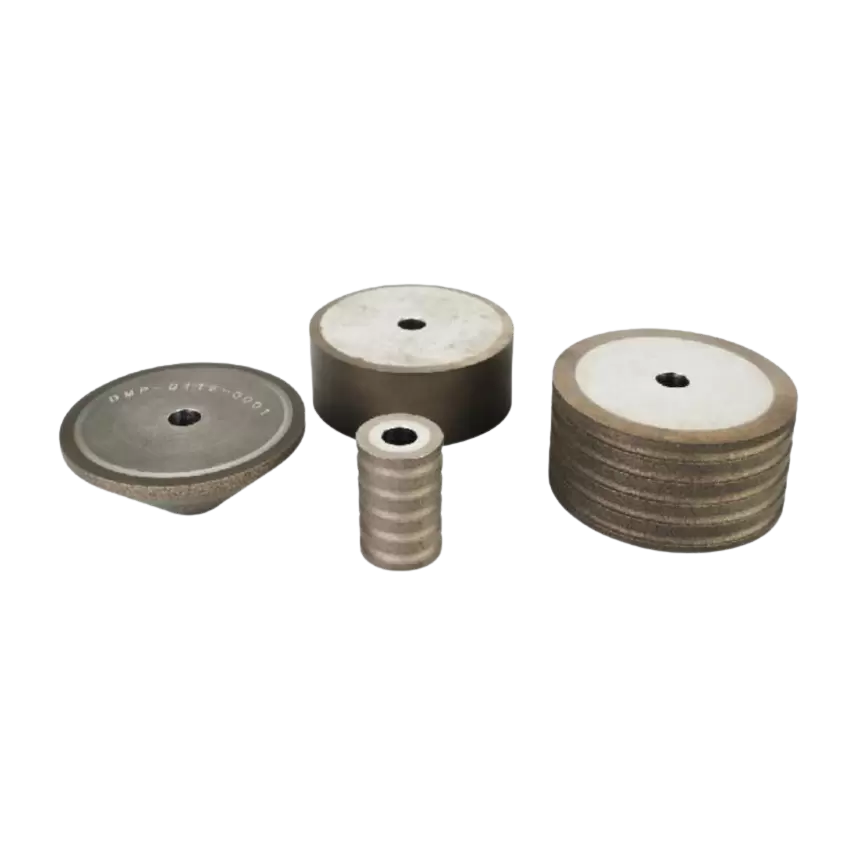
Wheel bond is a critical component of diamond grinding wheels, influencing abrasive retention, cutting behavior, and service life. Key bond types, performance factors, and application considerations for consistent glass grinding and edge quality.
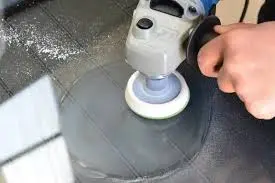
Uneven wear on glass grinding wheels can lead to profile changes, inconsistent edge quality, and higher operating costs. Machine alignment, grinding pressure, wheel specifications, cooling, and processing parameters are key factors behind abnormal wear.
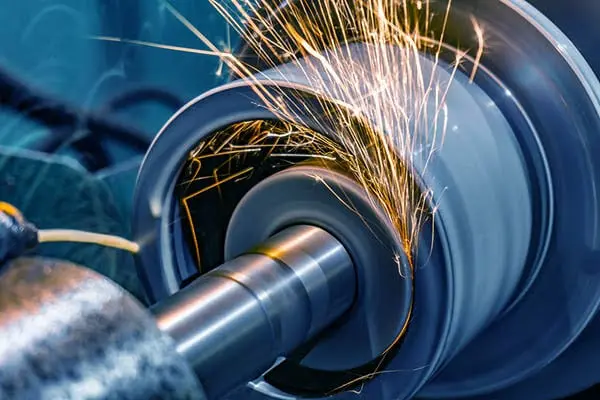
Higher grinding efficiency in glass processing requires a balance between processing speed, wheel life, edge quality, and machine stability. Proper wheel selection and controlled grinding parameters provide a practical foundation for consistent output and lower production costs.
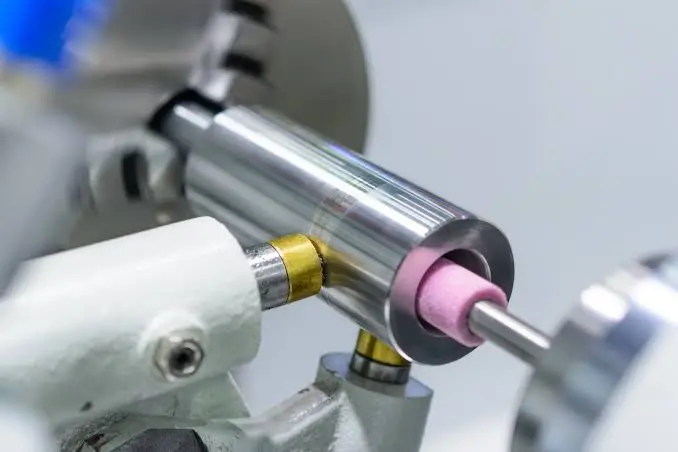
A practical overview of how speed, feed rate, grinding depth, pressure, and cooling influence glass grinding wheel performance. Clear guidance on balancing grinding efficiency, wheel life, edge quality, and process stability across different glass applications.
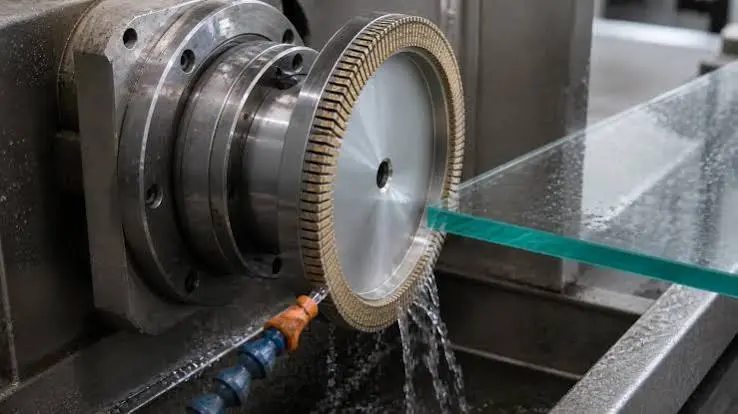
Practical guidance on extending glass grinding wheel service life through proper wheel selection, stable grinding parameters, cooling, and machine alignment. Key factors affecting wheel wear, edge quality, replacement frequency, and long-term glass processing costs.
 English
 Vietnamese
 Italian
 Spanish
 Ukrainian
 Turkish
 Portuguese
 Russian
 French
 German
 Arabic
 Hindi
Hindi Indonesian

 Company News
  Industry News
  Exhibitions