Meijie Superhard Materials – Precision Tools for Global Manufacturing.


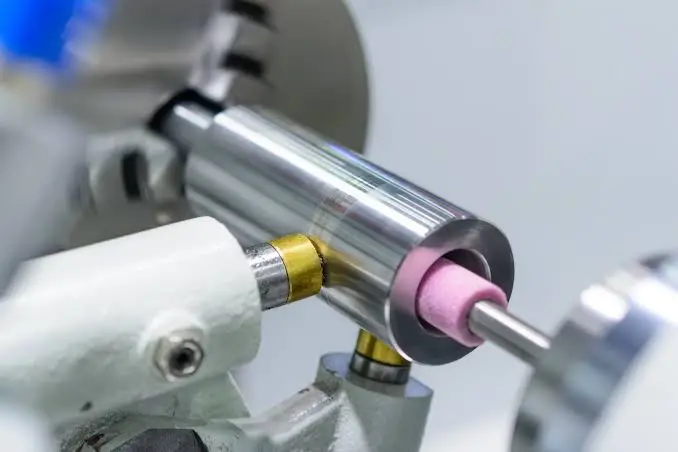
A practical overview of how speed, feed rate, grinding depth, pressure, and cooling influence glass grinding wheel performance. Clear guidance on balancing grinding efficiency, wheel life, edge quality, and process stability across different glass applications.
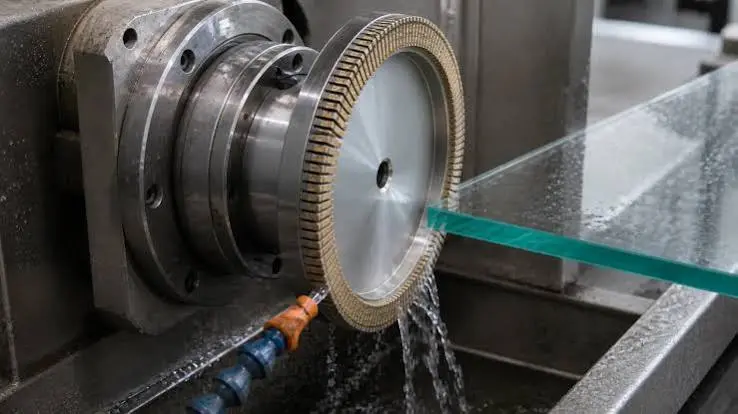
Practical guidance on extending glass grinding wheel service life through proper wheel selection, stable grinding parameters, cooling, and machine alignment. Key factors affecting wheel wear, edge quality, replacement frequency, and long-term glass processing costs.
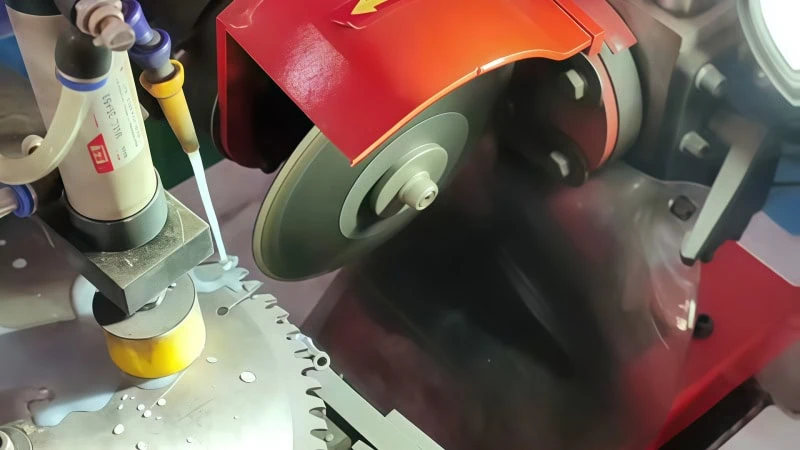
Diamond grit selection plays a key role in balancing grinding efficiency, edge quality, and wheel service life across different glass processing applications. Glass thickness, material removal, finishing requirements, machine parameters, and application type provide the main considerations for selecting a suitable grit size.
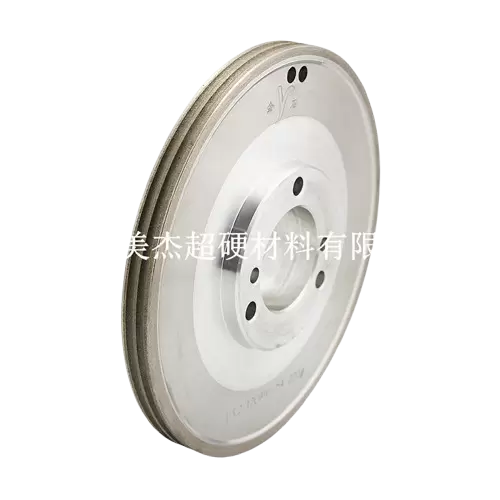
Different glass applications require different grinding wheel characteristics for efficiency, precision, edge quality, and profile retention. PV, appliance, and automotive glass grinding wheels vary in abrasive specifications, wheel profiles, service life, and equipment compatibility.
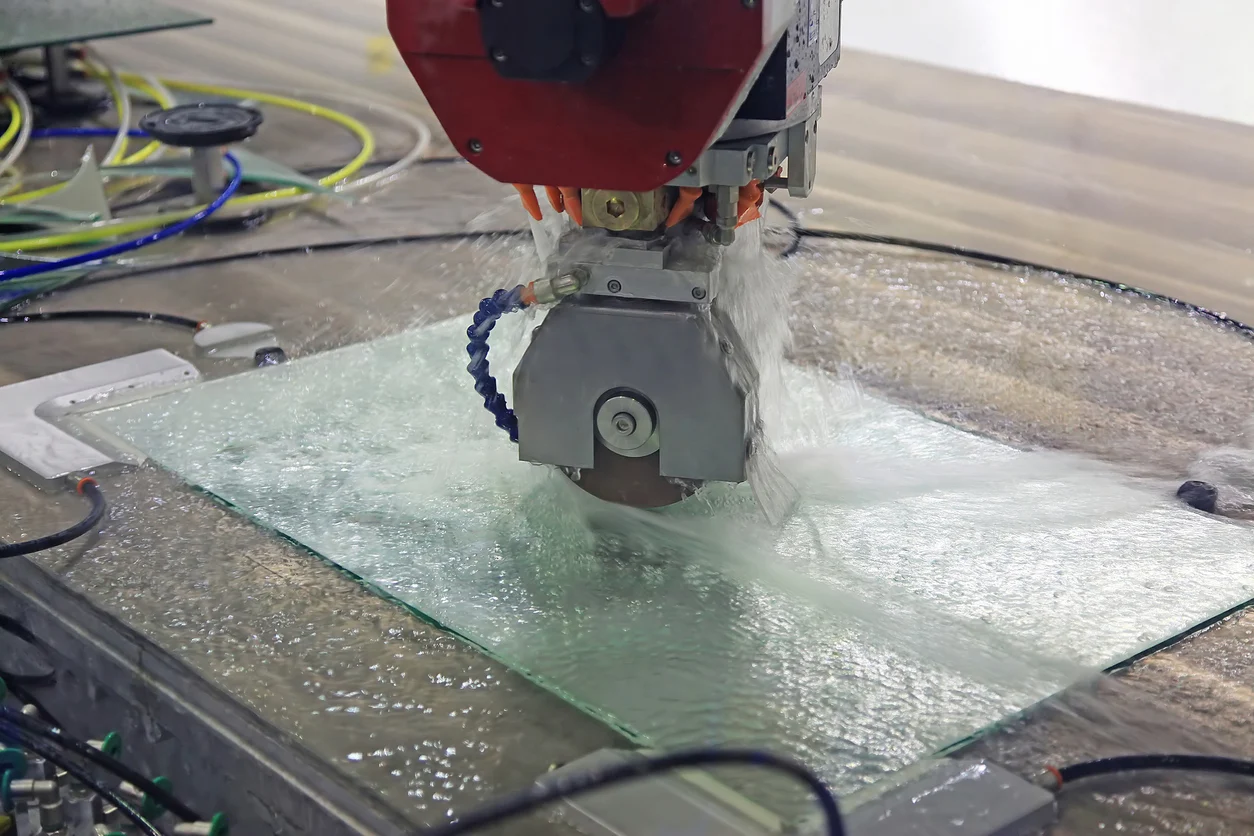
Glass edge chipping involves abrasive selection, grinding parameters, wheel condition, machine stability, and cooling control. PV, appliance, and automotive glass require application-specific grinding wheel selection for consistent edge quality and processing stability.
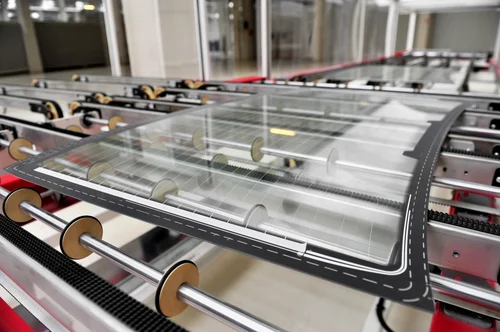
Reliable PV Glass Grinding Wheel selection depends on production requirements, machine compatibility, and edge quality expectations. Practical guidance for improving grinding efficiency, reducing operating costs, and achieving stable photovoltaic glass processing.
 English
 Vietnamese
 Italian
 Spanish
 Ukrainian
 Turkish
 Portuguese
 Russian
 French
 German
 Arabic
 Hindi
 Indonesian


 Company News
 Industry News
 Exhibitions