Meijie Superhard Materials – Precision Tools for Global Manufacturing.

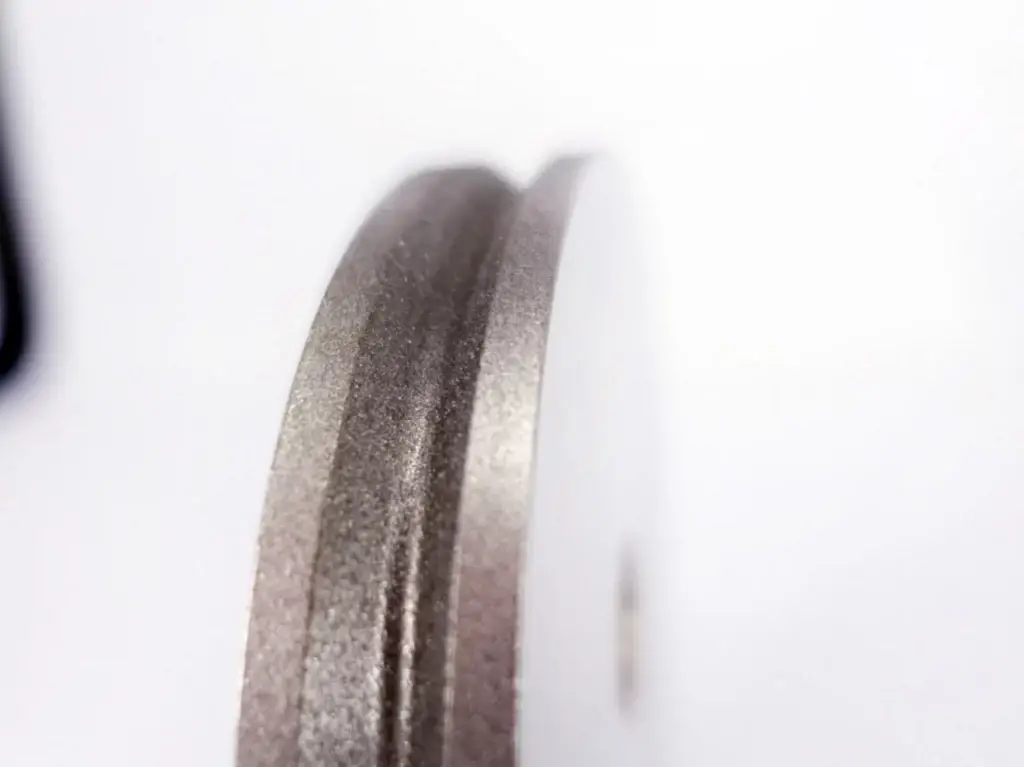
Grinding wheel selection for semiconductor wafer processing involves wafer material, grinding stage, abrasive grit, equipment compatibility, and surface quality requirements. Silicon and SiC wafer applications require different considerations for material removal, grinding stability, and surface damage control.

SiC wafer grinding presents greater challenges than silicon grinding because of SiC’s high hardness and brittle material behavior. Key factors include material removal, grinding tool selection, process parameters, and surface quality control.
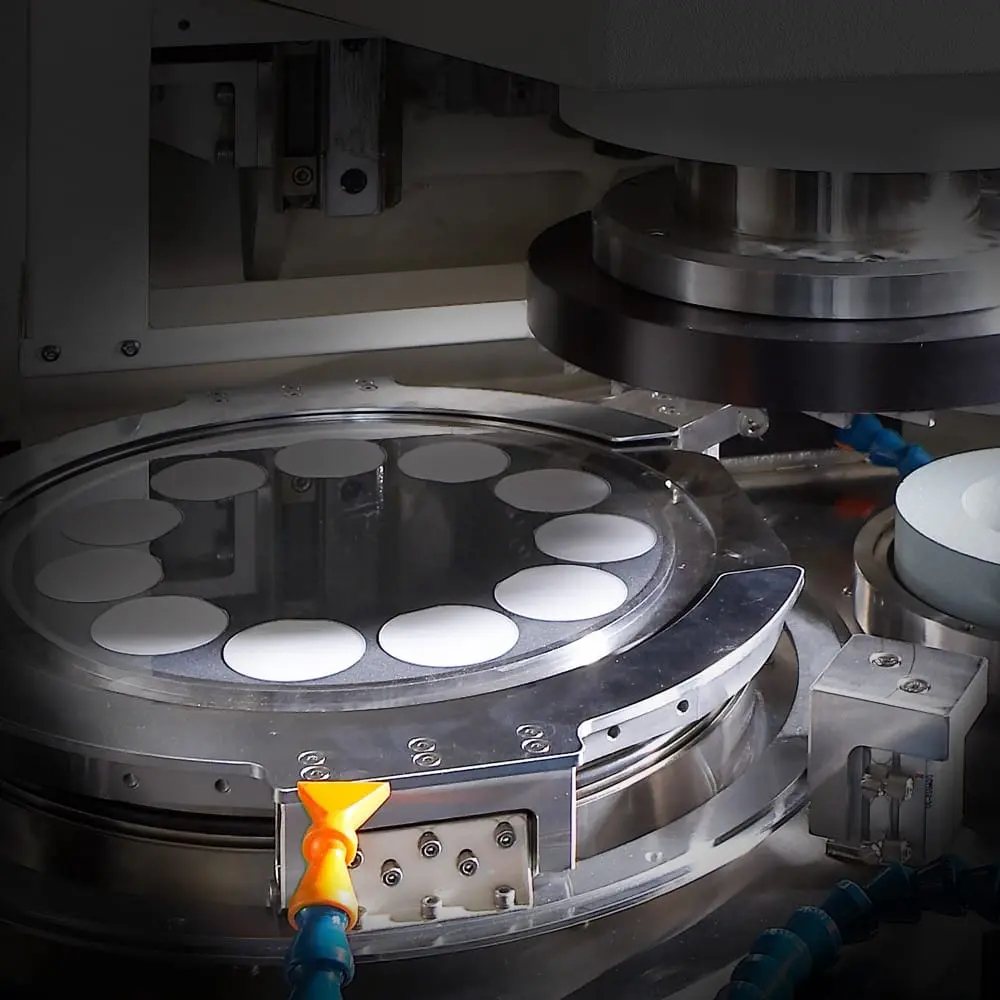
cracks, chipping, and subsurface defects. Grinding parameters, abrasive conditions, and wafer material are key factors in maintaining a stable surface finish.
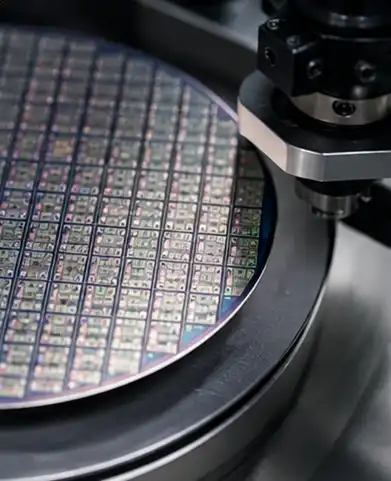
with different priorities for material removal and surface quality. Their differences in grinding depth, abrasive grit, dimensional control, and tool selection affect wafer processing results.
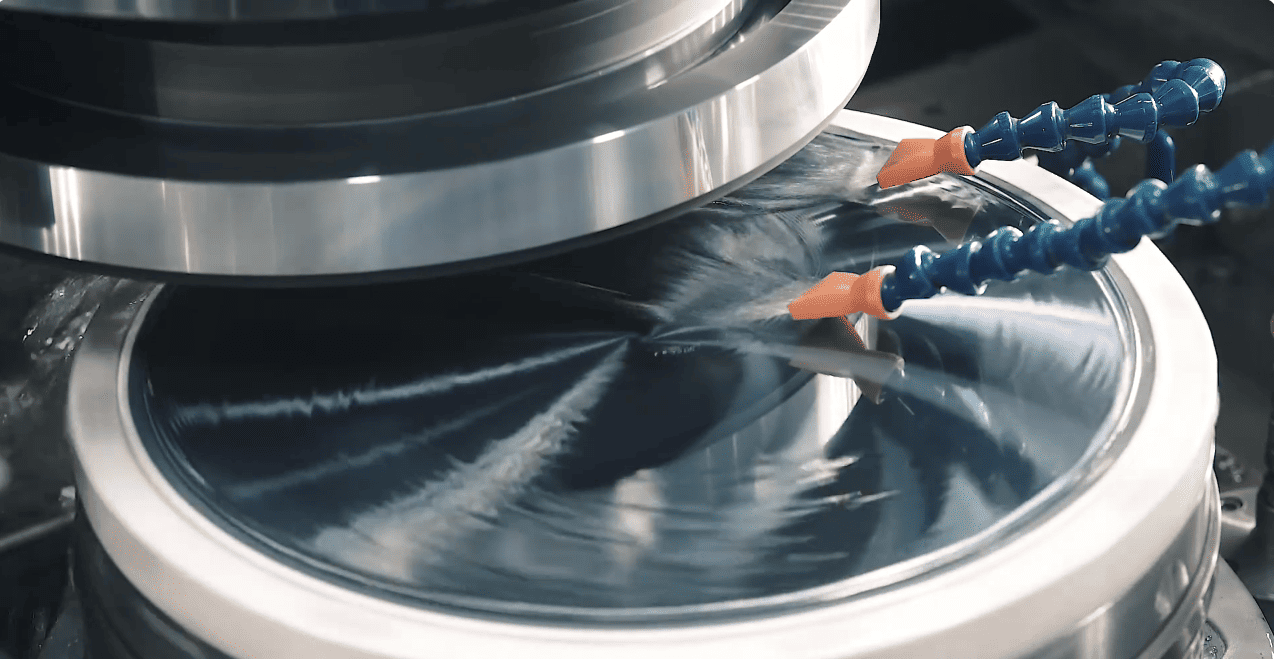
Surface damage during wafer grinding affects wafer quality through scratches, cracks, chipping, and subsurface defects. Grinding parameters, abrasive conditions, and wafer material are key factors in maintaining a stable surface finish.
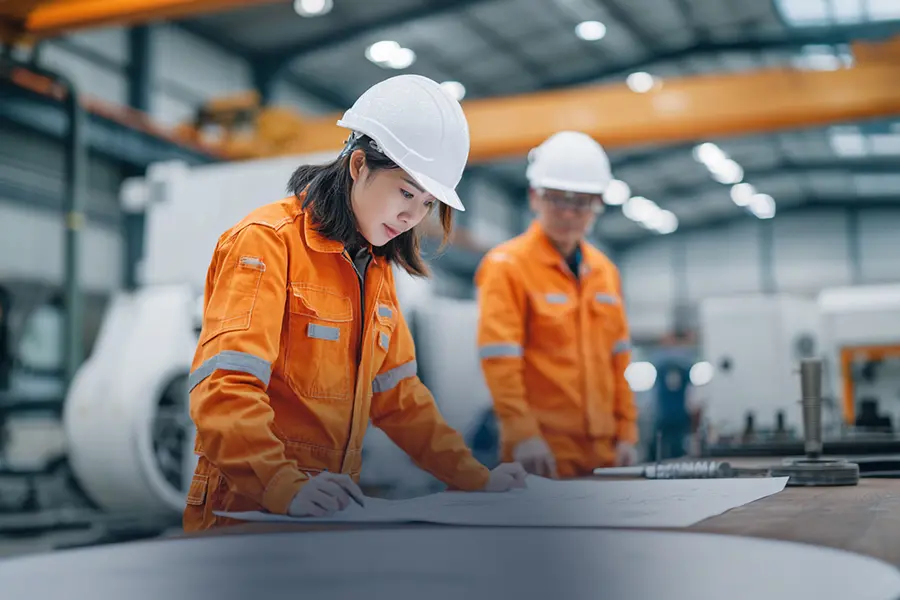
A practical comparison of four-sided and conventional glass grinding wheels for different production requirements and processing conditions. Key considerations include throughput, edge quality, high-speed stability, machine compatibility, and overall operating cost.
 English
 Vietnamese
 Italian
 Spanish
 Ukrainian
 Turkish
 Portuguese
 Russian
 French
 German
 Arabic
 Hindi
 Indonesian


 Company News
 Industry News
 Exhibitions