
Aug 27,2026
What Are CNC Diamond Grinding Wheels Used for
Surface damage is one of the main quality concerns in semiconductor wafer grinding. The grinding process removes material from the wafer surface to achieve the required thickness and dimensional accuracy, but excessive mechanical force, unsuitable abrasive conditions, heat, or unstable processing can affect the finished surface.
The damage may appear as visible scratches or edge chipping, while some defects extend below the surface and are not immediately visible. For silicon and SiC wafers used in semiconductor processing, controlling these defects is important because the condition of the ground surface affects subsequent processing and the consistency of the finished wafer.
Wafer surface damage refers to physical defects or changes created on or beneath the wafer surface during grinding. The severity depends on the wafer material, abrasive characteristics, grinding parameters, tool condition, and cooling and chip removal conditions.
Common forms of wafer grinding defects include:
Not all grinding marks have the same significance. A certain degree of surface texture can be associated with material removal, while deep scratches, cracks, or excessive roughness can indicate that the grinding conditions are not well matched to the workpiece.
Subsurface damage is particularly important because it may remain below the visible surface. A wafer can appear relatively uniform during a basic visual inspection while still containing cracks or damaged material beneath the ground layer. For this reason, surface quality should be evaluated together with the intended grinding depth, material removal requirements, and subsequent processing steps.
For a basic explanation of the grinding principle and its role in wafer processing, see semiconductor wafer grinding.
The causes of wafer grinding damage are usually related to several factors working together rather than one isolated problem. The contact between the abrasive tool and wafer creates mechanical and thermal effects, and changes in the grinding conditions can alter how material is removed.
Grinding removes wafer material through repeated contact between abrasive particles and the workpiece. When the grinding force becomes excessive, the wafer surface is exposed to greater mechanical stress.
An excessive grinding depth is one possible cause. Removing too much material in a single grinding pass can increase the load on individual abrasive grains and raise the force required to remove material. A feed rate that is too high for the selected tool and material can have a similar effect.
These conditions can produce deeper grinding marks, microcracks, edge chipping, or subsurface damage. The risk can be more significant when processing hard and brittle materials because they are less tolerant of excessive mechanical loading.
The abrasive grit has a direct influence on how material is removed. Diamond grit size affects the balance between material removal efficiency and the resulting surface condition.
Coarser abrasive particles can provide higher material removal capability during rough grinding, but they may also leave a more pronounced surface texture. Finer grits are generally used when lower surface roughness and a finer ground surface are required.
This does not mean that the finest available grit is always the correct choice. Grit selection should correspond to the grinding stage, wafer material, required material removal, and target surface quality. Using an unsuitable grit can reduce grinding efficiency or increase the likelihood of unwanted surface defects.
A new or properly conditioned grinding tool can maintain a more consistent cutting action. As the abrasive surface wears, however, the cutting behavior can change.
A worn wafer grinding wheel may have reduced cutting efficiency. Instead of removing material effectively through sharp abrasive action, more energy can be consumed through rubbing and friction. This can increase grinding force and heat generation while reducing process stability.
Tool wear should therefore be considered when investigating a sudden increase in scratches, roughness, grinding force, or other surface defects. The same grinding parameters may not produce the same result after the working surface of the tool has changed significantly.
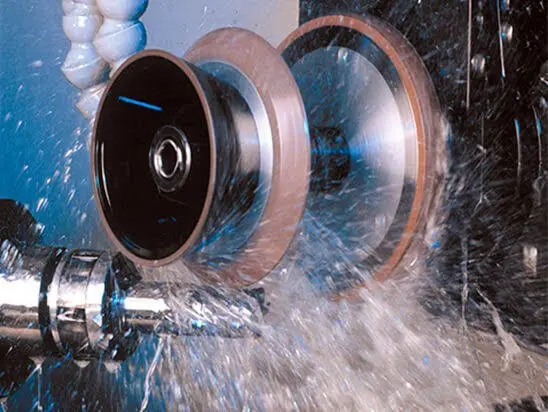
Grinding generates heat as the abrasive interacts with the wafer. If heat is not controlled effectively, localized temperature increases can affect the stability of the grinding process.
Grinding debris also needs to be removed from the contact area. When chips and removed material are not cleared effectively, they can interfere with the abrasive-workpiece contact and contribute to unstable grinding.
For this reason, cooling and chip removal are not simply supporting operations. They are part of maintaining a stable grinding environment, especially when high-speed processing or fine surface requirements are involved.
A grinding tool needs to be matched to the material being processed and the specific grinding stage. Silicon, SiC, and other semiconductor materials do not respond identically to the same abrasive conditions.
Tool selection also needs to consider the required material removal rate, surface finish, grinding equipment, and process parameters. A tool that performs well under one set of conditions may not provide the same result when the wafer material or grinding stage changes.
This is why grinding-induced surface damage should be evaluated from both the tool and process perspectives rather than attributed to the grinding wheel alone.
Grinding parameters determine how aggressively the abrasive tool interacts with the wafer. Even when a suitable grinding wheel is selected, inappropriate parameter settings can increase mechanical stress or heat and lead to inconsistent surface quality.
| Grinding Parameter | Potential Effect on Surface Damage |
|---|---|
| Grinding depth | Excessive depth can increase grinding force and subsurface damage |
| Feed rate | Excessive feed can increase mechanical load and surface defects |
| Grinding speed | Improper speed can affect heat generation and grinding stability |
| Grit size | Unsuitable grit can affect scratches and surface roughness |
Grinding depth directly affects the amount of material removed during a pass. A larger depth can improve removal efficiency, but it also increases the amount of material that each abrasive interaction needs to remove.
If the depth is excessive for the wafer material and grinding tool, grinding force can increase and the resulting surface may contain deeper damage. Fine grinding normally requires more controlled material removal than a rough grinding stage.
The grinding feed rate affects how quickly the tool moves relative to the workpiece. A higher feed rate can increase the material removal demand placed on the abrasive surface.
If the selected feed rate is not compatible with the grinding wheel, wafer material, and grinding depth, the process may become less stable. Scratches, roughness, or other defects can become more noticeable as mechanical loading increases.
Grinding speed influences abrasive interaction and heat generation. The appropriate range depends on the equipment, grinding tool, wafer material, and process requirements.
It is therefore not appropriate to treat higher speed as automatically better. The objective is a stable grinding condition that provides the required material removal without creating excessive heat or mechanical stress.
Grit size has a direct relationship with the character of the ground surface. Coarse grits are useful when material removal is the primary requirement, while finer grits are more appropriate when a smoother surface is required.
The transition between grinding stages should therefore be considered when selecting abrasive size. The correct choice is the one that provides an appropriate balance between removal efficiency, surface roughness, and damage control.
The grinding wheel is the direct cutting interface between the machine and the wafer, so its abrasive characteristics and working condition have a significant effect on surface quality.
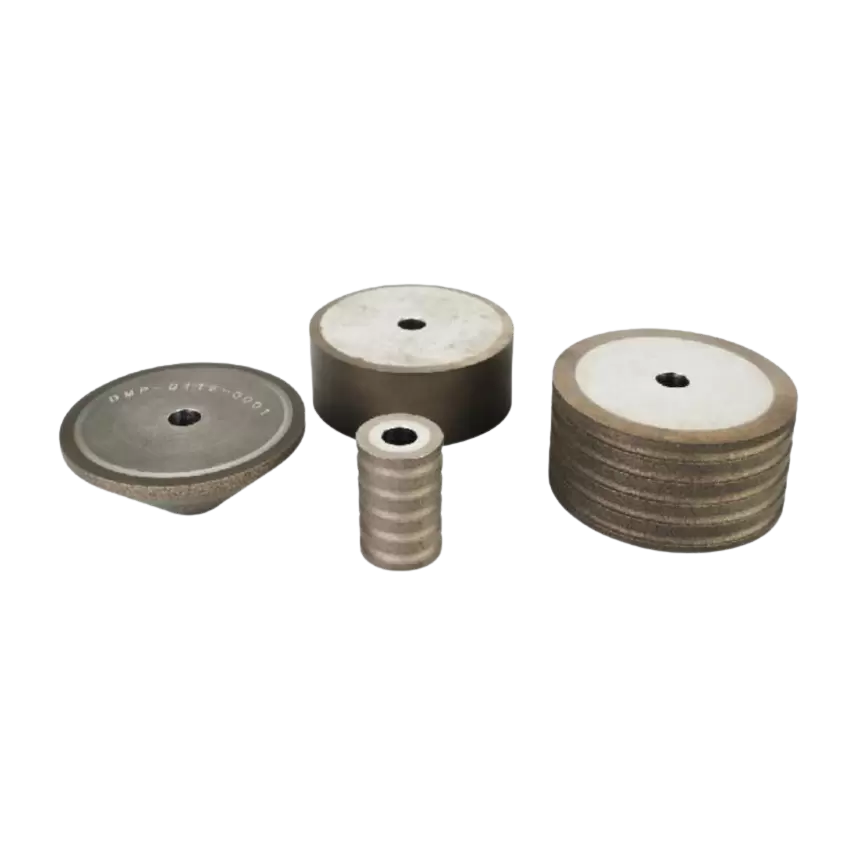
For semiconductor applications, diamond abrasives are widely used because they can provide effective material removal for hard and brittle workpieces. A diamond grinding wheel for wafer grinding needs to provide suitable cutting behavior while maintaining stable contact with the wafer.
Three aspects are particularly important: abrasive grit, wheel condition, and the ability of the working surface to support material removal and chip discharge.
A suitable wafer grinding disc should be selected according to the wafer material and processing requirements rather than based on abrasive grade alone. During rough grinding, material removal efficiency may receive greater attention. During fine grinding, surface quality and controlled material removal become more important.
The condition of the grinding surface also matters. When abrasive particles lose their effective cutting ability, the grinding action can shift toward greater friction and rubbing. This may increase heat and force, which can contribute to surface defects.
For semiconductor wafer applications, grinding tools should therefore be evaluated together with the equipment and process parameters. Meijie provides grinding solutions for semiconductor processing covering applications involving semiconductor materials and precision grinding requirements.
SiC wafer grinding presents different challenges from conventional silicon wafer grinding because silicon carbide is an extremely hard and brittle material. Its material characteristics place higher demands on abrasive performance, grinding stability, and process control.
During silicon carbide wafer grinding, the interaction between diamond abrasives and the SiC surface needs to be carefully controlled. Excessive mechanical loading can contribute to cracks, chipping, scratches, and subsurface damage.
The grinding tool also needs to maintain effective cutting action against the hard material. If the abrasive condition, grit selection, or grinding parameters are not appropriate, material removal can become less stable and the surface may show more severe defects.
This does not mean that every SiC grinding process requires the same parameters. Equipment, wafer specifications, grinding stage, abrasive characteristics, and required surface quality all influence the appropriate conditions.
For this reason, SiC should be treated as a material-specific grinding application rather than simply applying the same settings used for silicon wafers.
Reducing wafer grinding damage requires control of both the grinding tool and the process conditions. There is no single parameter that can eliminate all types of surface defects.
The main measures include:
Parameter adjustment should be based on the type of defect being observed. For example, a sudden increase in scratches may require inspection of abrasive grit and wheel condition, while excessive chipping may indicate that mechanical loading or grinding conditions need to be reviewed.
Tool selection should also be considered before making major changes to machine parameters. A process can remain difficult to stabilize if the abrasive tool is not appropriate for the material or required grinding stage.
For high-precision semiconductor grinding, consistency is generally more useful than simply increasing material removal speed. A stable process helps maintain predictable surface quality from one wafer to the next.
Identifying the type of damage is important before deciding how to correct the grinding process. Different defects can point to different causes.
Surface inspection can be used to identify visible scratches, grinding marks, cracks, and edge chipping. Surface roughness measurements can provide quantitative information about the finished condition and help determine whether the grinding process is producing the required surface.
Subsurface damage requires greater attention because it may not be visible during a basic surface inspection. Where the application requires it, additional inspection methods can be used to evaluate damage below the ground surface.
The purpose of inspection is not simply to determine whether a wafer looks smooth. It is to establish whether the grinding process is producing a surface condition that meets the requirements of the next processing stage.
Yes. Mechanical interaction between abrasive particles and the wafer can create damage below the visible surface, particularly when grinding force, abrasive conditions, or material characteristics are not properly controlled.
Wafer grinding scratches can be associated with abrasive grit selection, grinding wheel condition, excessive mechanical loading, unstable grinding conditions, or inadequate removal of grinding debris. The actual cause should be evaluated together with the grinding parameters and tool condition.
Wafer grinding cracks and chipping can occur when the mechanical stress generated during grinding exceeds what the material can withstand. Excessive grinding depth, feed rate, unsuitable abrasive conditions, or the brittle nature of the wafer material can increase the risk.
Diamond grit size affects material removal behavior and surface finish. Coarser grits can support more aggressive material removal, while finer grits are generally used when a finer surface is required. The appropriate grit depends on the grinding stage, wafer material, and target surface quality.
Surface damage during wafer grinding is usually the result of an interaction between mechanical force, abrasive condition, grinding parameters, heat, chip removal, and wafer material. Scratches and roughness may be visible on the finished surface, while cracks and subsurface damage can require additional inspection.
Effective control therefore starts with matching the diamond grinding wheel or wafer grinding disc to the wafer and processing stage, followed by appropriate control of grinding depth, feed rate, speed, and tool condition.
For silicon and SiC wafers alike, stable grinding depends on maintaining a controlled material removal process rather than pursuing maximum removal speed alone. A suitable grinding tool and well-matched process conditions provide a more reliable basis for consistent wafer surface quality.