
Aug 13,2026
Why Does Glass Chip During Grinding? Causes and Solutions
SiC wafer grinding is more demanding than conventional silicon wafer grinding because silicon carbide combines extremely high hardness with brittle material behavior. These characteristics make material removal more difficult and increase the need for careful control of grinding force, abrasive action, heat, and surface damage. For semiconductor manufacturers, the challenge is not simply removing material from a SiC wafer, but doing so while maintaining the required thickness, surface quality, and process stability.
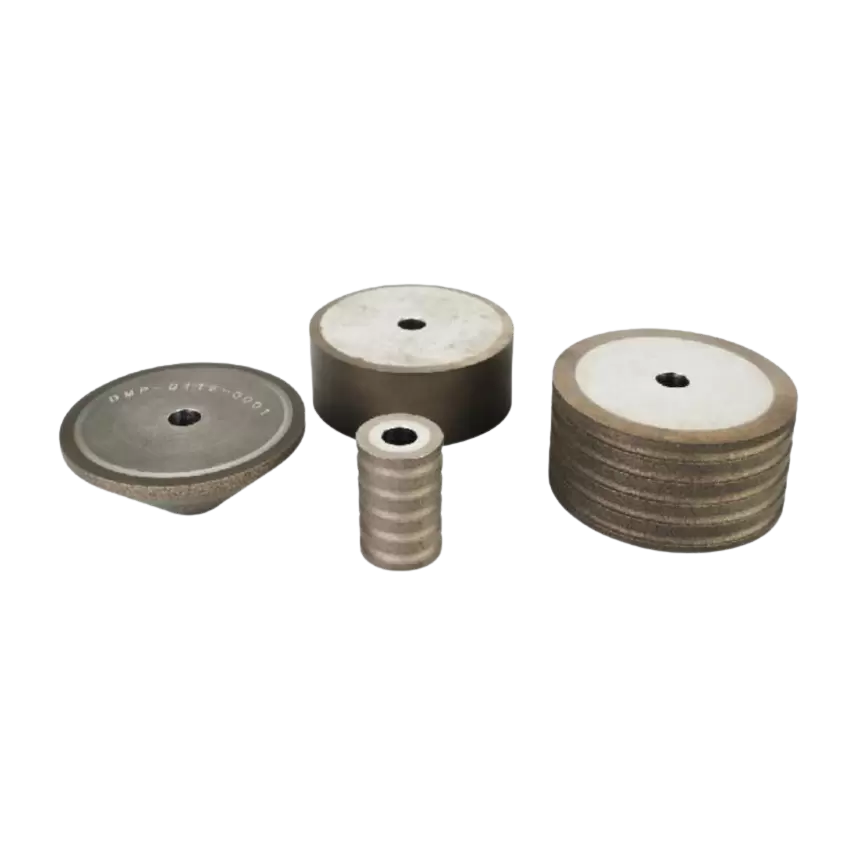
The grinding tool also has a direct influence on the result. Diamond grinding wheels and diamond grinding discs are widely considered for hard semiconductor materials because diamond abrasive provides the cutting ability required for difficult-to-machine materials. However, tool selection alone does not determine grinding performance. Grit size, wheel structure, grinding depth, feed rate, speed, wheel condition, and cooling conditions all need to match the characteristics of the SiC wafer and the processing stage.
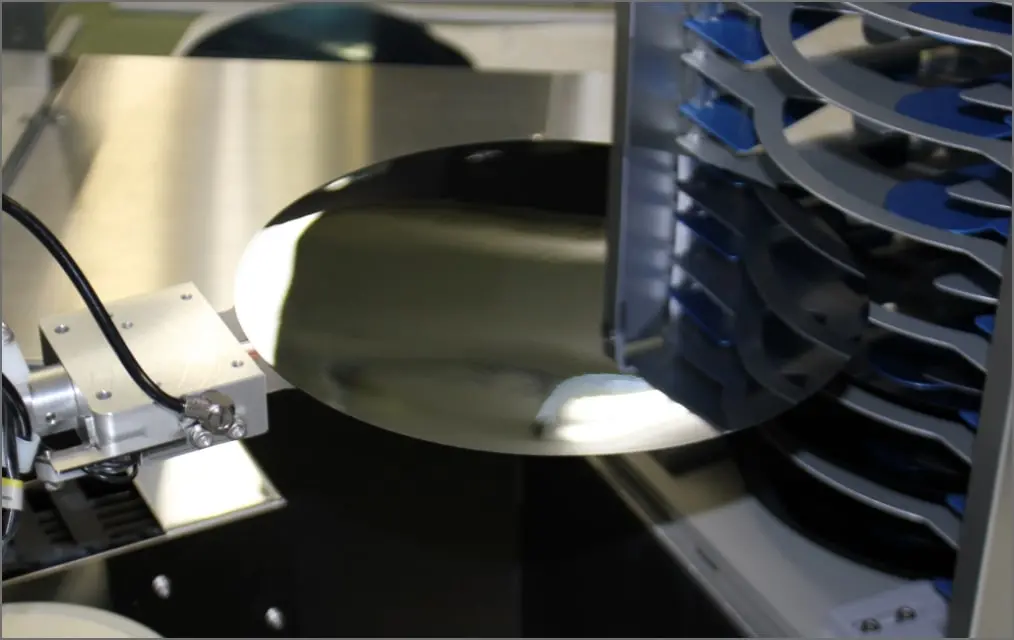
The main reason silicon carbide wafer grinding is more difficult is the material itself. SiC has a much higher hardness than silicon, which makes it resistant to conventional material removal. The abrasive grains must generate sufficient cutting action to remove material efficiently, while the grinding process must avoid excessive mechanical stress on the wafer.
Silicon carbide is also a brittle material. High hardness provides excellent resistance to deformation and wear, but it also means that the material does not respond to grinding in the same way as a softer material. If the grinding conditions are not properly controlled, material can be removed through undesirable fracture rather than controlled cutting.
| Grinding factor | Silicon wafer | SiC wafer |
|---|---|---|
| Material hardness | Lower | Higher |
| Material removal | Relatively easier | More demanding |
| Abrasive requirement | Controlled cutting | High cutting ability |
| Damage control | Important | Particularly critical |
| Process control | Important | More demanding |
The difference does not mean that SiC grinding simply requires a more aggressive process. Increasing grinding force or material removal without considering surface integrity can create additional problems. The practical objective is to find a stable combination of abrasive characteristics and process parameters that provides efficient removal without compromising the wafer surface.
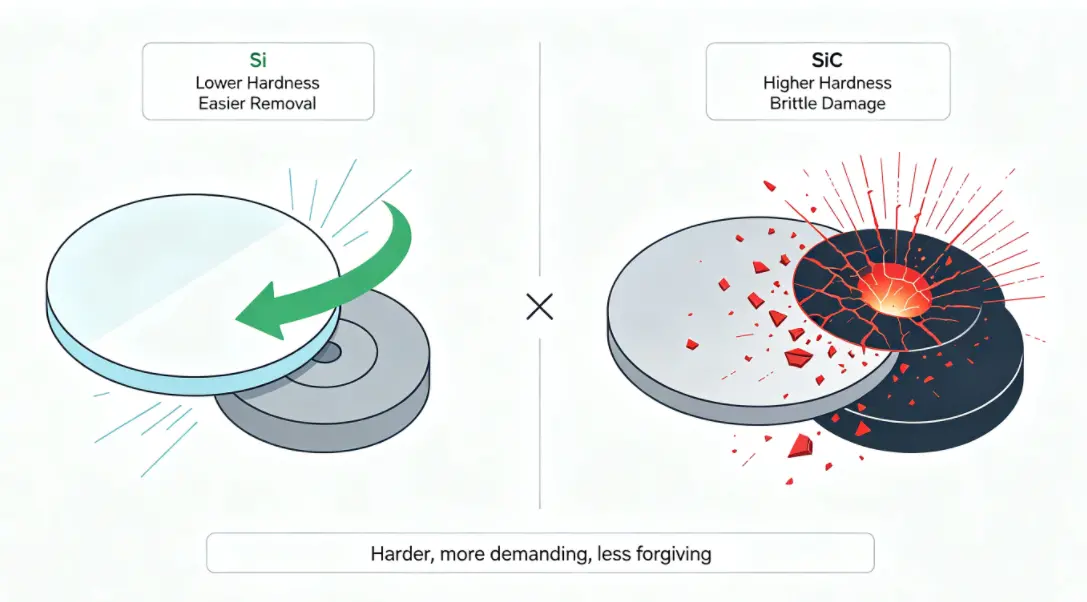
High hardness is one of the defining challenges in SiC grinding. During grinding, abrasive grains must penetrate the wafer surface and remove material. Because SiC strongly resists deformation, the cutting action requires an abrasive with sufficient hardness and sharpness.
This is one reason diamond abrasive is important in semiconductor grinding applications. Diamond provides the cutting capability needed to process hard materials and can be configured for different grinding requirements. However, abrasive hardness is only one part of the process. The abrasive grit, wheel structure, grinding speed, and applied load also affect how effectively the tool removes SiC.
Material removal efficiency must be considered together with tool wear. A grinding tool that removes material effectively under one set of conditions may behave differently as abrasive grains wear or process conditions change. Maintaining a stable cutting action is therefore important for consistent SiC wafer grinding.
Another consideration is the amount of material that needs to be removed. A process focused on significant thickness reduction has different requirements from one focused on final surface improvement. Matching the grinding tool to the intended processing stage helps avoid unnecessary mechanical loading and inefficient tool use.
The second major challenge is the brittle nature of SiC. Hardness alone does not explain grinding difficulty. The material must also be processed in a way that limits unwanted fracture and damage.
During grinding, abrasive grains interact with the wafer surface under mechanical load. If the grinding force is excessive or the abrasive action is poorly matched to the material, the process may produce scratches, chipping, cracks, or subsurface damage. These defects can become important when the wafer must meet strict surface-quality requirements.
For this reason, SiC wafer surface damage should be considered when evaluating grinding performance. A high material removal rate does not necessarily indicate a successful process if the resulting surface requires excessive downstream correction.
The causes and prevention of grinding-related defects can vary with material, tool condition, and process settings. For a broader discussion of the factors behind grinding damage, manufacturers can refer to surface damage during wafer grinding as part of the overall wafer grinding process.
The key point for SiC is that its brittle characteristics leave less room for uncontrolled grinding conditions. Surface quality must be considered from the beginning of tool and parameter selection rather than treated as a final inspection issue.
Grinding involves continuous contact between abrasive grains and the wafer surface, which generates mechanical interaction and heat. In SiC grinding, maintaining stable conditions becomes particularly important because the material and tool are both subject to demanding processing conditions.
Heat can affect grinding stability when it is not adequately managed. Cooling and chip removal help maintain the grinding interface and prevent accumulated debris from interfering with abrasive cutting. The exact cooling approach depends on the equipment and application, but the principle remains the same: the grinding zone needs to remain stable throughout processing.
Tool wear is another concern. As abrasive grains change during use, cutting behavior can change as well. A tool that initially produces consistent results may require different process conditions as its working surface changes. Monitoring grinding performance is therefore important for maintaining wafer consistency over repeated production cycles.
These factors show why SiC wafer grinding cannot be optimized by focusing on one parameter alone. Material properties, abrasive behavior, machine conditions, heat management, and tool condition interact throughout the process.
The material characteristics of SiC place specific demands on grinding tools. The tool needs to provide sufficient cutting ability while supporting stable material removal and acceptable surface quality.
Diamond grinding wheels and diamond grinding discs are suitable tool categories to consider for semiconductor wafer grinding because diamond abrasive is capable of processing hard materials. The correct configuration, however, depends on the actual application rather than the word “diamond” alone.
Several factors should be evaluated when selecting a grinding tool:
The processing stage is equally important. Coarse grinding is generally focused on efficient material removal and thickness reduction, while fine grinding requires more controlled removal and greater attention to surface quality. The same tool characteristics do not necessarily provide the same results across every stage.
For manufacturers evaluating grinding solutions for SiC and other semiconductor materials, the semiconductor wafer processing solutions from Meijie provide a relevant reference for semiconductor grinding applications.
Tool selection should ultimately be based on the relationship between the wafer material, target thickness, removal requirements, surface-quality requirements, and equipment conditions. Choosing a tool only by grit size or wheel specification can overlook important factors affecting actual grinding performance.
Tool selection establishes the basic cutting conditions, but SiC grinding parameters determine how the tool interacts with the wafer during processing. Because SiC is hard and brittle, parameters need to be matched carefully rather than transferred directly from silicon wafer processing.
Grinding depth determines how much material is removed during each grinding operation. A greater depth can increase removal efficiency, which may be useful during coarse grinding. However, increasing the depth also increases the mechanical load on the grinding interface.
If the grinding depth is excessive for the selected tool and wafer, grinding force can increase and surface damage may become more difficult to control. For fine grinding, a more controlled removal depth is generally appropriate because thickness accuracy and surface condition become more important.
The correct depth therefore depends on the processing stage, initial wafer thickness, target thickness, tool characteristics, and material behavior.
Grinding feed rate affects how quickly the tool moves relative to the wafer and therefore changes the contact conditions during material removal. A higher feed rate can improve productivity, but it may also increase the load placed on the abrasive interface.
For SiC, the feed rate needs to be compatible with the wheel characteristics and grinding depth. If the process becomes too aggressive, the resulting increase in grinding force may affect surface quality. On the other hand, excessively conservative conditions may reduce productivity without providing a meaningful quality improvement.
Feed rate should therefore be evaluated together with grinding depth and wheel condition rather than treated as an independent setting.
Grinding speed influences the interaction between abrasive grains and the wafer surface. Changes in speed can affect cutting behavior, heat generation, and the consistency of material removal.
The appropriate speed depends on the grinding equipment, tool structure, abrasive characteristics, and SiC wafer requirements. Stable speed is particularly important when consistent surface results are required across multiple wafers.
Increasing speed solely to improve productivity is not necessarily an effective approach if the resulting thermal or mechanical conditions become less stable. Process efficiency needs to remain compatible with surface-quality requirements.
Diamond grit size has a direct relationship with grinding behavior. Coarser grit is generally associated with more aggressive material removal, while finer grit supports more controlled removal and can be considered when surface quality becomes a greater priority.
This does not mean that a finer grit is always better for SiC. The appropriate abrasive size depends on the grinding stage and the amount of material that must be removed. A coarse grinding operation and a fine grinding operation have different objectives and therefore require different tool characteristics.
For a detailed explanation of the role of coarse and fine grinding in semiconductor wafer processing, manufacturers can refer to coarse and fine grinding.
| Parameter | Main influence | Control objective |
|---|---|---|
| Grinding depth | Material removal and grinding force | Balance removal efficiency and surface integrity |
| Feed rate | Cutting load and processing efficiency | Maintain stable material removal |
| Grinding speed | Abrasive interaction and heat | Maintain consistent grinding conditions |
| Diamond grit size | Removal behavior and surface finish | Match the processing stage |
The important point is that no single parameter determines the final wafer quality. Grinding depth, feed rate, grinding speed, and diamond grit size need to be considered as a combined set of conditions.
Improving SiC wafer grinding quality starts with controlling the relationship between material, tool, and process. The objective is not to maximize grinding intensity, but to achieve the required material removal while maintaining surface integrity and process stability.
Several practical control points should be considered:
Parameter changes should be made systematically. If several settings are changed at the same time, it becomes difficult to identify which factor caused an improvement or deterioration in grinding results.
Surface inspection is also important. Measurements of wafer thickness, surface roughness, scratches, chipping, and other defects can provide useful information about whether the current grinding conditions are appropriate.
The same principle applies to tool management. If the grinding wheel gradually changes during use, process results may also change. Regular monitoring can help manufacturers identify tool-related variations before they become a repeated wafer-quality problem.
Ultimately, SiC wafer processing requires a balance between removal efficiency and surface control. A stable process is one in which the grinding tool and parameters remain appropriate for the material throughout the required production cycle.
Before selecting a grinding tool or establishing process conditions, manufacturers should define the actual requirements of the SiC wafer. The initial and target thickness, required material removal, surface-quality expectations, grinding stage, and available equipment all affect the appropriate setup.
The material itself should remain the starting point. Since SiC is significantly harder and behaves differently from silicon during grinding, process conditions should be developed around its specific characteristics rather than copied directly from another wafer material.
The grinding tool then needs to be matched to those requirements. Diamond grinding wheels or diamond grinding discs can provide the abrasive cutting performance required for hard materials, but grit size, structure, and operating conditions still need to be considered.
A useful way to evaluate the process is to look at four connected factors: material removal, surface quality, thickness control, and processing stability. If one factor improves while another deteriorates, the process may need further adjustment rather than simply increasing or reducing one parameter.
SiC has significantly higher hardness and exhibits brittle material behavior. These characteristics make material removal more demanding and increase the need for controlled grinding force and suitable abrasive conditions.
Diamond has high abrasive hardness and cutting ability, making it suitable for processing hard materials such as SiC. The specific wheel or disc configuration still needs to match the grinding stage and processing requirements.
The parameters should not be transferred directly between the two materials. SiC has different hardness and grinding behavior, so grinding depth, feed rate, speed, grit size, and other conditions need to be evaluated according to the specific application.
Surface damage can be associated with excessive grinding force, unsuitable abrasive conditions, tool wear, and inappropriate process parameters. Heat and chip removal conditions can also affect grinding stability and surface quality.
SiC wafer grinding is more challenging than silicon wafer grinding because SiC combines high hardness with brittle material behavior. These characteristics make material removal more demanding while increasing the importance of controlling grinding force, surface damage, heat, and tool wear.
A suitable diamond grinding tool provides the cutting capability required for hard SiC material, but tool selection must work together with grinding depth, feed rate, speed, grit size, and wheel condition. The final objective is not simply higher removal efficiency, but a stable balance between material removal, surface quality, thickness control, and processing stability.
For manufacturers working with SiC wafers, understanding these relationships provides a more practical basis for selecting grinding tools and establishing suitable processing conditions. Consistent results depend on matching the tool and parameters to the material and the specific requirements of each grinding stage.